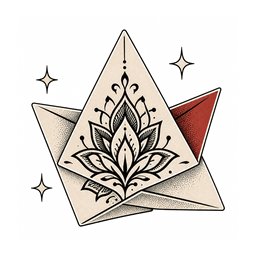
The thing first-timers don't say out loud: they're usually not afraid of the pain. They're afraid the artist will think the idea is dumb, that they'll flinch in the chair, or that they'll mess up the aftercare and end up with a tattoo that looks worse than the artist's work deserved.
TL;DR: Pick the artist by their healed work, not their follower count. Eat a real meal beforehand, no alcohol for 24 hours, no aspirin for 48. Tip 20% in cash. The aftercare matters more than the ink.
How to Pick the Right Artist (and When to Walk Away)
Most first-timers pick their artist by Instagram follower count. That correlates with marketing energy, not skill. The actual signal is in the portfolio: how does their work look six months after it heals?
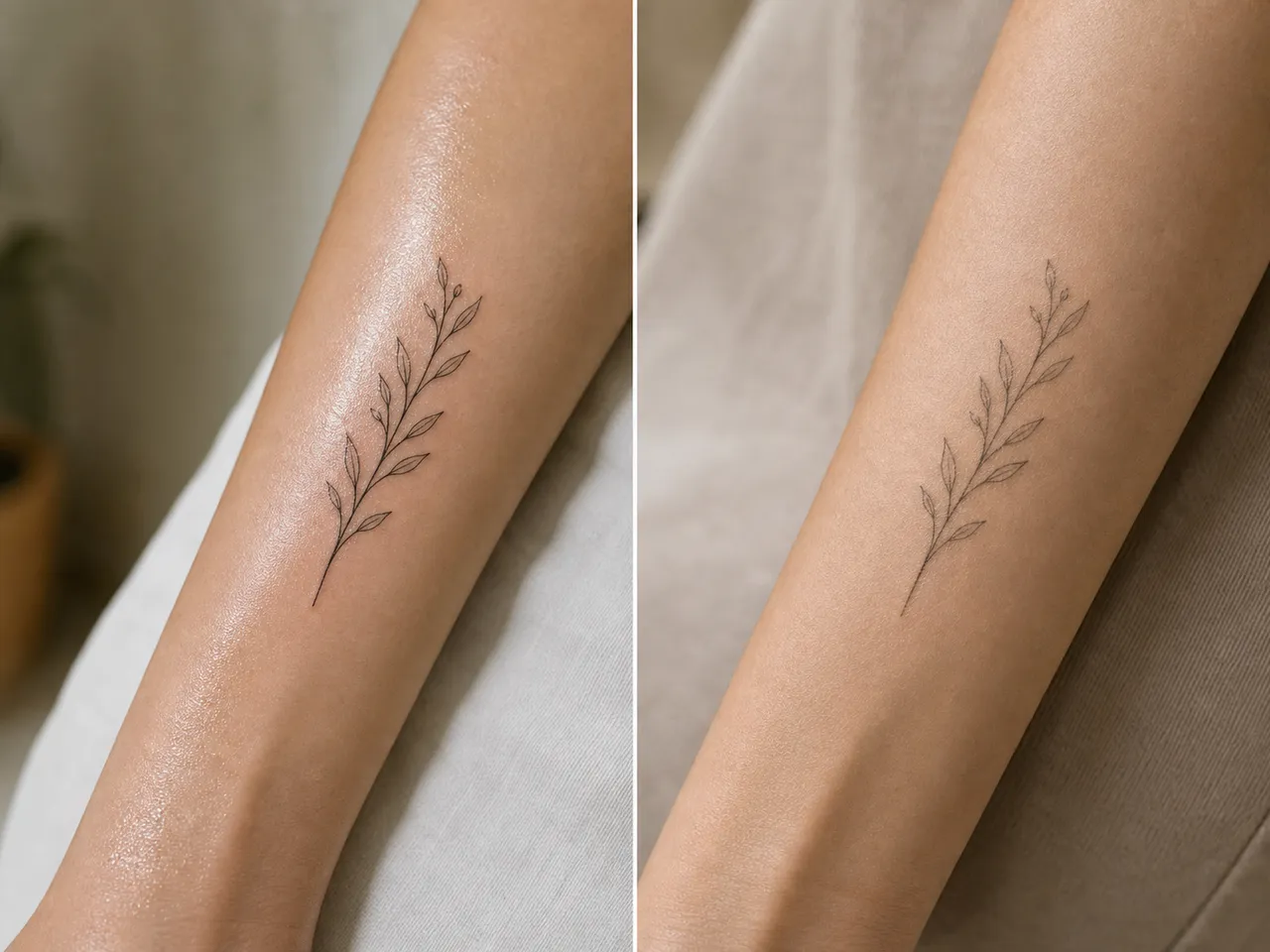
Healed photos are the single most important thing to check, and most artists' Instagrams are 90% fresh-shot work — bright, glossy, ink still settling. That's the most flattering version of any tattoo. Fine line that looks crisp at month one can blur to mush at month six if the artist went too thin. Bold blackwork that looks solid at fresh might develop fading patches if the saturation pass was rushed. None of that shows in fresh photos.
Filter portfolios for healed work specifically. Most artists tag #healed or #aged on those posts. If you can't find any, that's a yellow flag — either they don't follow up with clients, or the healed work doesn't compare well.
Match by style, not general talent. A great traditional Americana artist isn't automatically a good fine-line artist — different needle techniques, different ink saturation logic, different aesthetic eye. Pick the artist who specializes in the style you want, even if they're less famous than a generalist.
The portfolio-vs-Instagram heuristic isn't black-and-white either. Plenty of great artists do have great Instagram presence — popularity and skill aren't opposites. The point isn't "distrust popular artists," it's "use the portfolio as the primary signal, not the marketing."
For reviews: read the 1-star and 2-star Yelp/Google reviews more than the 5-stars. The harsh ones tell you what the artist is bad at. If three different reviews mention the same issue (rushed sessions, rough on skin, didn't listen), that's signal. Nitpick reviews ("had to wait 10 minutes") are noise.
Walk-away signs: artist won't quote a price range, dismisses your reference questions, the studio looks messy, or the consult feels rushed. There are 50+ artists in any major city. Walking away costs one consult fee, sometimes nothing if the consult is free.
What to Bring to the Consult — and What to Ask
The consult is a 20–30 minute conversation. Use it to test fit, not to design. Designing happens later, in the artist's solo time.
What to bring:
- 3–5 reference images showing the same direction from different angles. Not one image you want copied — multiple that triangulate the look.
- A photo of your own body in the zone you're considering. Artists need to see how the curve and skin tone affect the design, not just an empty canvas.
- A rough size estimate phrased as "about the width of my palm" or "fits between my elbow and wrist." Specifying centimeters feels artificial to most artists.
- A list of four or five questions, prioritized so you don't forget the important ones.
If you want to bring rendered references to the consult, InkedByAI's generator makes it quick to test 4–5 directions in a few minutes across 22 styles — and we wrote a separate walkthrough on the design phase that goes deep on the prompt approach. Bring whatever you make tagged as "direction, not final" so the artist knows you're attached to the concept, not the literal rendering.
What to actually ask:
- "What about this design will you change for it to hold up over 10 years?"
- "What's the total time and total cost — not hourly, total?"
- "How does healing differ for this zone — anything specific I should know?"
- "When can you book me?"
What not to ask: "is this stupid?", "what would you do?", "can you copy this exactly?". The first two outsource your taste. The third undermines the collaborative point of working with an artist.
The Night Before: Eat, Sleep, No Alcohol
The prep list is shorter than you've heard, but each item matters more than the obvious "drink water" advice.
Eat a real meal one or two hours before. Carbs and protein. Pasta with chicken, sandwich with cheese — something with sustained energy release. The most common mid-session bail-out cause isn't pain, it's blood sugar crash. Skip breakfast and you'll be the person feeling shaky an hour into a 3-hour session.
Sleep 7–8 hours the night before if you can. Tired skin bruises faster, heals slower, and your pain tolerance drops when you're under-rested. Small effect, but it stacks with the others.
No alcohol for 24 hours before. Alcohol thins blood, which means more bleeding during the session — which means the artist works through a film of blood to see the lines, which means worse line quality. Same logic for aspirin and ibuprofen for 24–48 hours before. Tylenol/acetaminophen is fine if you need a painkiller.
Hydrate aggressively the day before. Skin holds ink better when it's well-hydrated. 2L of water minimum.
Wear clothes that expose the tattoo area without requiring you to half-undress in the studio. Outer forearm = short sleeves. Calf = shorts or roll-up pants. Upper back = a button-up or backless top.
Bring: phone fully charged, headphones, a protein bar or juice box for blood-sugar emergencies, and a friend if you want company (most studios allow one person).
What Actually Happens When You Sit in the Chair
The first 30 minutes feel the longest. After that, your skin adapts and the rest goes faster than expected.
Here's the actual sequence: you arrive, the artist preps their station (10–15 min). They shave the area, clean it with antibacterial wash, apply the stencil. The stencil is your last "go/no-go" — speak up if it looks slightly off. After this, the needle goes in and corrections become harder. The artist would much rather peel the stencil and reapply than work around your dissatisfaction.
The needle starts with a short test pass. You'll feel it: sharp, hot, like a cat scratch. The first 30–60 seconds is when your brain is loudest. After that, the sensation dulls into a baseline drone — annoying but tolerable. Most first-timers describe minute 30 as "I could do this for hours" even though they were stressed at minute 5.
You're allowed to ask for breaks. Once every 60–90 minutes is standard. More if you need to eat, pee, or just decompress. "Can we pause for a minute" is a normal sentence in any studio. Don't power through to be polite — a relaxed body holds still better than a tense one, which means cleaner lines.
Bleeding is normal. The artist wipes throughout — a thin layer of blood, lymph, and excess ink builds up and they have to clear it to see the lines. Some zones bleed more (sternum, ribs, ankle). This isn't a problem, it's part of the work.
Most artists are quiet while working. Match their energy.
Tipping, Paying, and Studio Etiquette
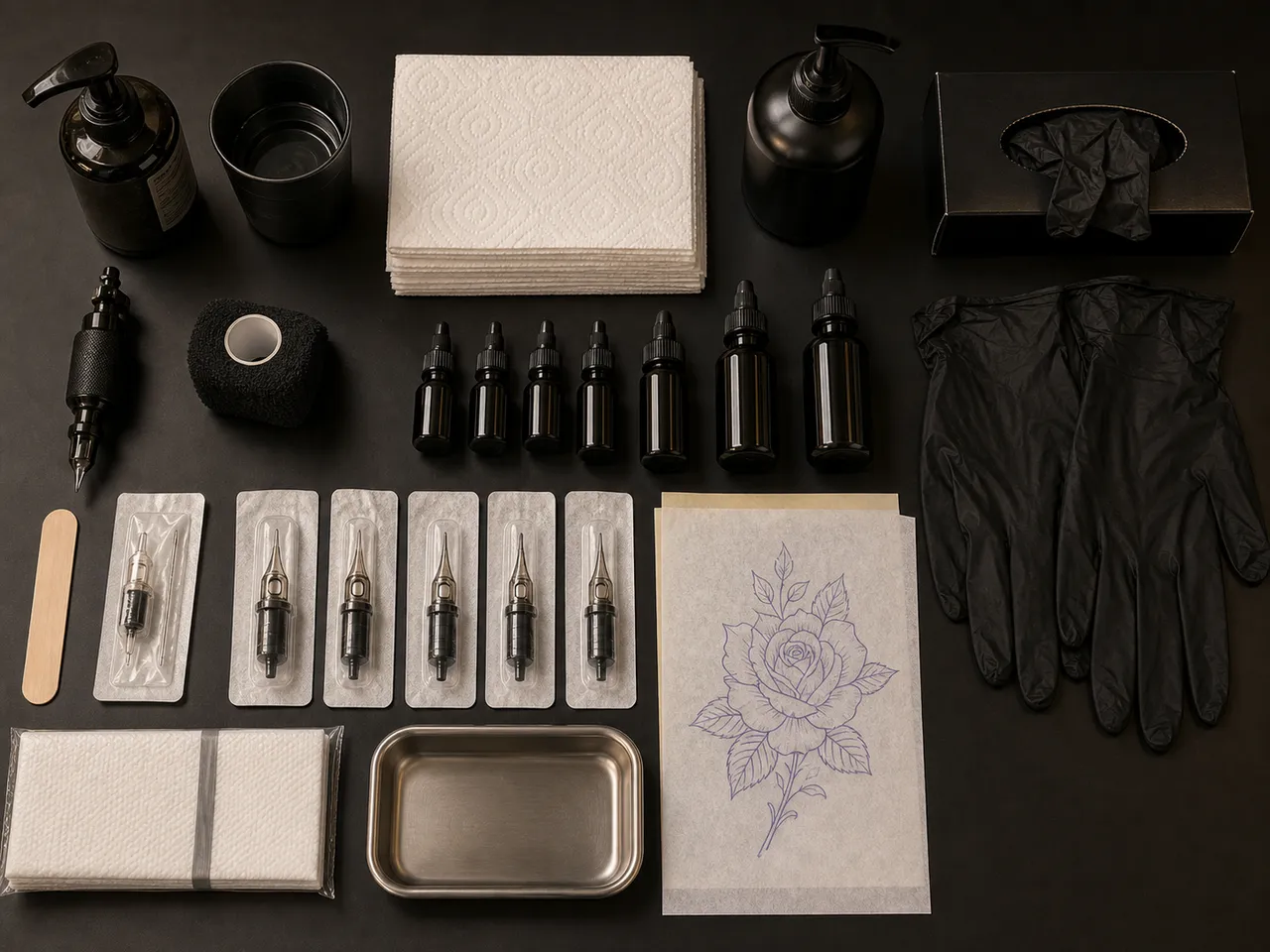
American studios run on tips. The shop charges what's called a "chair fee" — a cut that goes to the studio for rent and supplies. The artist takes home the rest. The tip is what actually compensates the artist's time.
In the US, 20% is the standard, 15% is the minimum, 25% is generous. Cash is strongly preferred — credit card tips often process slow and some studios pass card fees to the artist. Bring cash equal to 20% of the quoted total in addition to the payment method for the work itself.
In Europe and the UK, tipping conventions differ — 10% or rounding up is common, and at some studios it's not expected. Ask the studio in advance if you're unsure.
Pay the total at the end of the session, not hourly. The artist will tell you "we're done, total is $X" and you'll pay then. The tip is on top of that. Don't pay throughout, don't try to pay before, don't ask for an itemized breakdown unless something's off.
Quote-to-final variance: small adjustments (around 15% above quote) are normal — the design took 30 minutes longer than expected, you needed a saturation pass. If the final is 50% above the quote, that's worth a polite "this is more than we discussed at the consult — what changed?" Don't haggle after the work is done.
If you can't afford the work plus a 20% tip, don't book that piece. Pick a smaller one you can fully afford. Booking what you can't fully tip on stresses both you and the artist.
The 14-Day Protocol That Decides if You'll Like It
The two-week post-tattoo window matters more than the ink, the artist's skill, or the design itself. Honestly, that ranking might be exaggerated — there's no clean controlled study comparing "great artist + bad aftercare" against "average artist + perfect aftercare," and there can't be ethically. But every studio reports the same: aftercare is in the top three outcome drivers, and most put it first.
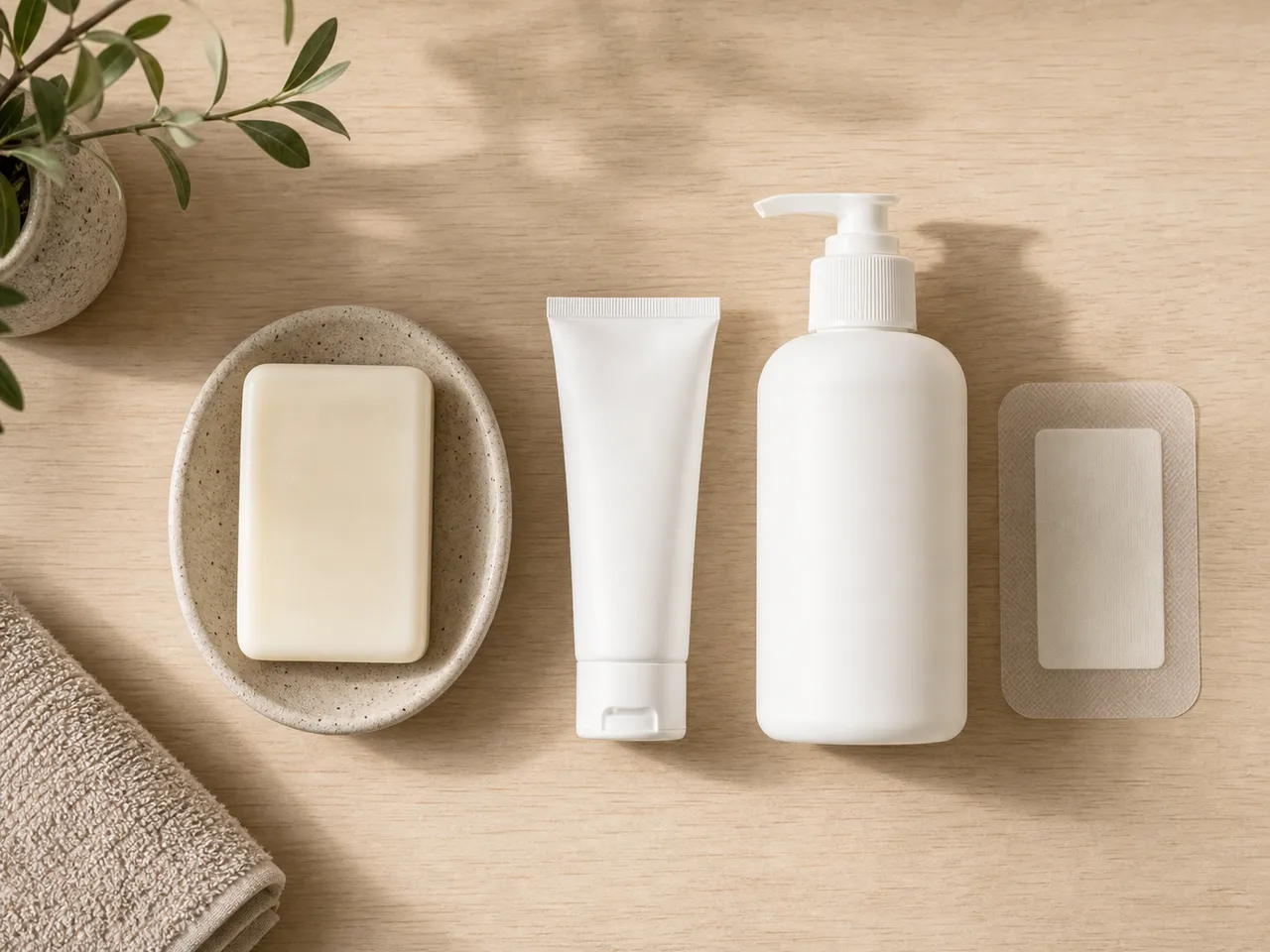
The protocol is unglamorous: gentle unscented soap wash 2–3 times a day, pat dry, thin layer of unscented lotion or aftercare ointment, repeat. Showers are fine. Baths and pools are not. No sun. No scratching. No picking. The full process is 10–14 days of looking like a peeling sunburn and feeling like one too.
The mistakes that actually ruin tattoos:
- Over-moisturizing. More lotion does not mean faster healing. It traps moisture under the scab, creates a humid environment, and is linked to ink loss in the healing layer. Thin layer, twice a day. That's it.
- Picking the peel. The flaking skin in days 5–10 looks like dead skin you should remove. It's not — it's part of the seal. Pulling it off creates patches of uneven ink density that become permanent.
- Sun exposure in week one. UV on healing skin doesn't just fade ink, it damages the skin's ink-holding layer. A single afternoon at the pool on day six shows up as visibly faster fade by year two.
Skin type matters. Oily skin holds ink differently from dry skin; darker skin has different healing dynamics from lighter skin. Your artist will tell you if your specific skin needs adjustments to the baseline protocol.
When to be concerned: redness spreading beyond the tattoo's edges, pus (yellow/green, thicker than clear lymph), fever, red streaks radiating outward. Those are infection signs and worth a doctor visit. Normal redness, scabbing, peeling, and itching are all fine.
Frequently Asked Questions
When can I shower, swim, or work out with a new tattoo?
Showers: same day. Just don't soak the area or scrub it. Swimming: 2 weeks minimum — pools, oceans, hot tubs, and lakes are off-limits until the peel is fully done. Working out: 24–48 hours of light activity is fine; full sweat workouts at 5–7 days as long as the tattoo isn't on a high-friction zone (waistband, sports bra band).
How can I tell if my tattoo is infected?
Normal: redness within the tattoo's outline, scabbing, peeling, itching, mild ooze of clear fluid (lymph). Infection signs: redness spreading past the outline, pus (yellow/green, thicker than lymph), fever, red streaks radiating from the tattoo, or pain getting worse instead of better after day three. If you see those, see a doctor — most infections are caught early and clear with topical antibiotics.
Will my first tattoo blow out or fade?
Blowouts (ink bleeding past the lines into surrounding skin) are uncommon with experienced artists but can happen on thin-skin areas (inner wrist, top of foot, sternum). Fading is normal — most tattoos lose a small amount of original sharpness in the first year as ink settles, then stabilize.
How much does a first tattoo cost?
The shop minimum in most US cities is $80–$150 (covers tiny pieces under 30 minutes). A 2–3 hour first tattoo typically runs $200–$500 depending on artist seniority and location. Custom design fees may add $50–$150 on top.
Can I get a tattoo if I'm under 18?
In most US states: no, even with parental consent. A few states allow 16–17 with a parent present and signing consent. Outside the US: varies by country, often 16–18. Studios will check ID — don't try to fake it; they'll refuse and you'll have wasted everyone's time.
The first tattoo is the only one where every step feels foreign — picking the artist, sitting in the chair, paying, healing. Walk in with the artist already vetted and a clear visual reference and you're past the 80% that trips first-timers up. Run a few previews through InkedByAI's generator to bring that reference, and the rest is easier than the internet made it sound.
